
How Reducing Variability Makes Fencing Jobs More Profitable
Often, the problem is not the size of the job or the difficulty of the install. It is variability.
Small differences across materials, deliveries and runs of work have a way of compounding. On their own, they seem manageable. Taken together, they slow crews down, break rhythm and eat into time that never gets billed.
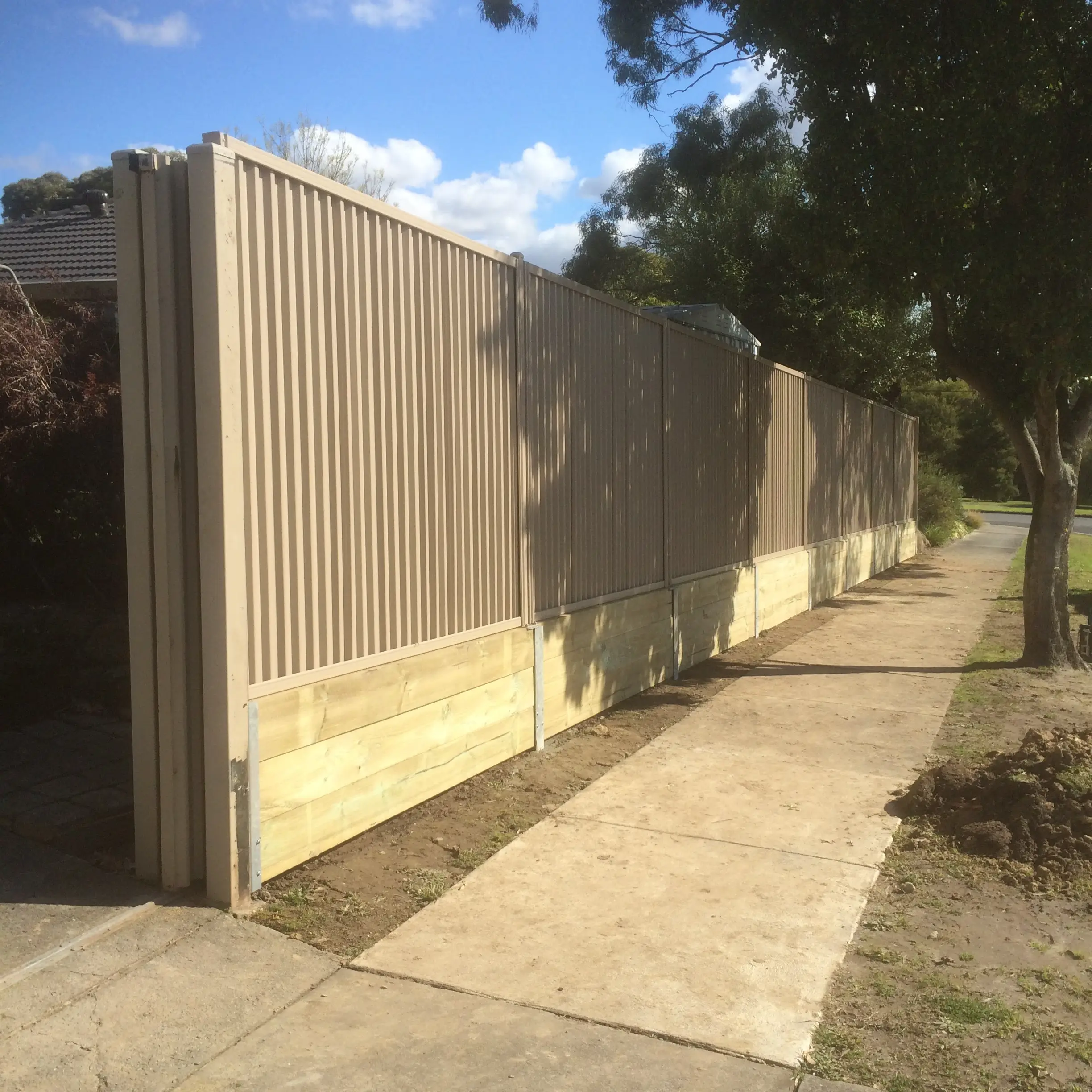
Where profit is really lost on site
Most experienced contractors can spot a difficult job early. Steep blocks, poor access and awkward layouts are easy to factor into pricing. What is harder to price for is inconsistency.
Variability shows up in places that rarely make it onto a quote:
- panels that are fractionally out from the last run
- profiles that behave differently to what crews expect
- fixings that need adjustment instead of repetition
- batches that require checking rather than trusting
- materials that interrupt flow rather than support it
Why small inconsistencies cost more than big problems
Big problems tend to trigger decisions. Crews adjust plans, timelines are reset and expectations change. Small inconsistencies do not.
Instead, they introduce friction. Work becomes stop start. Crews lose momentum. Tasks that should be automatic require attention.
Over a long run of fencing, that lost rhythm is expensive. Minutes turn into hours, and hours rarely get recovered at the end of a job.
The compounding effect across larger jobs
On small residential installs, variability is irritating. On larger or repeat jobs, it becomes structural.
When materials behave differently across a run, every bay takes thought. When profiles vary, spacing changes. When hardware is inconsistent, muscle memory disappears.
What should be a repeatable process turns into a series of micro decisions. That cognitive load slows experienced crews just as much as physical obstacles.
Why consistency protects margins
Jobs that run smoothly tend to share one thing in common. Crews know what to expect.
Consistency allows:
- repetition rather than adjustment
- predictable sequencing
- faster decision making
- fewer checks and rechecks
- cleaner handovers between stages
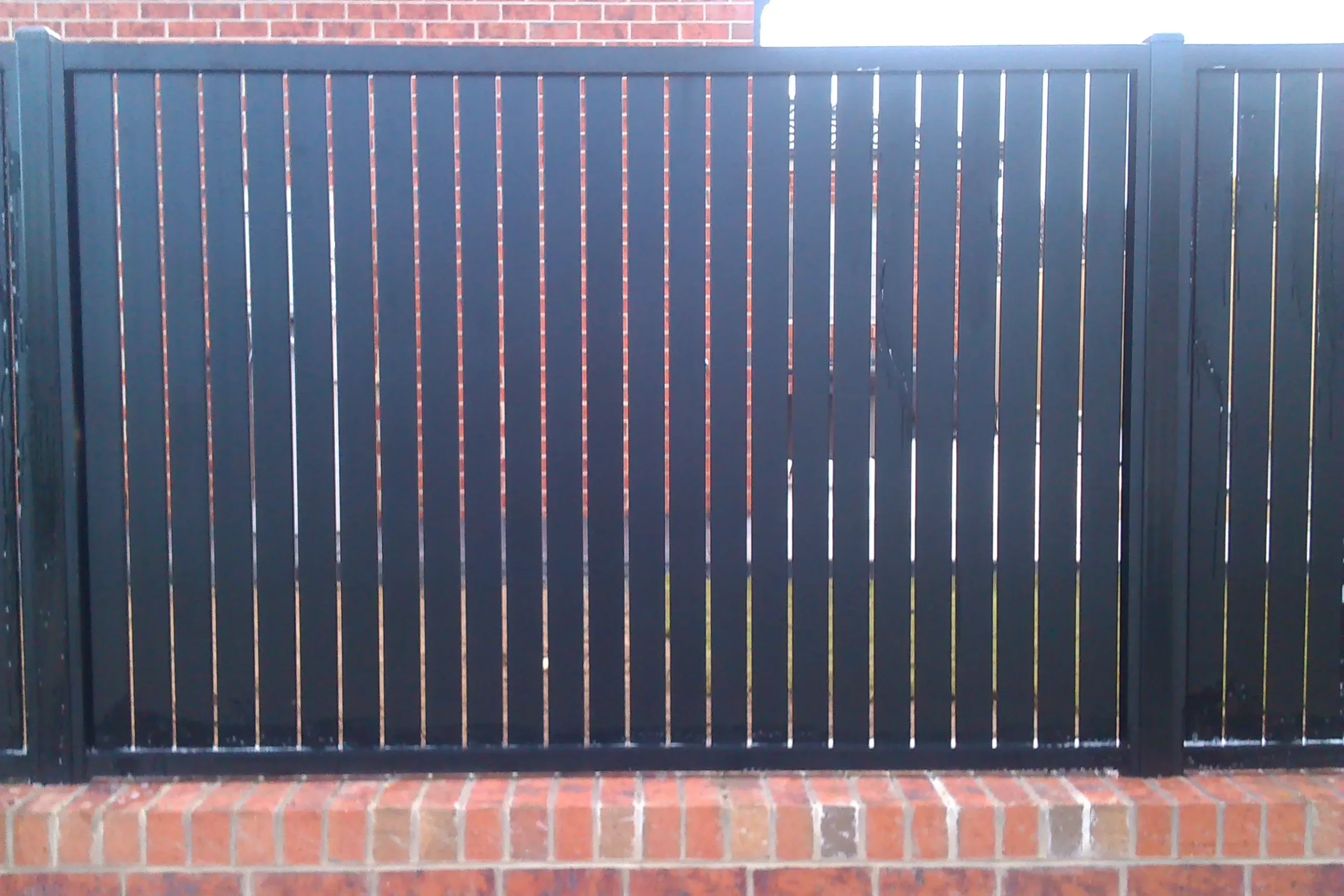
The jobs that feel easier are often the most profitable
Ask contractors which jobs they would happily repeat and the answers are rarely about price. They are about flow.
Jobs that feel straightforward often deliver better returns because they allow crews to work at pace without interruption. Less time is lost correcting small issues. Less energy is spent adapting to unexpected differences.
Over time, those gains add up.
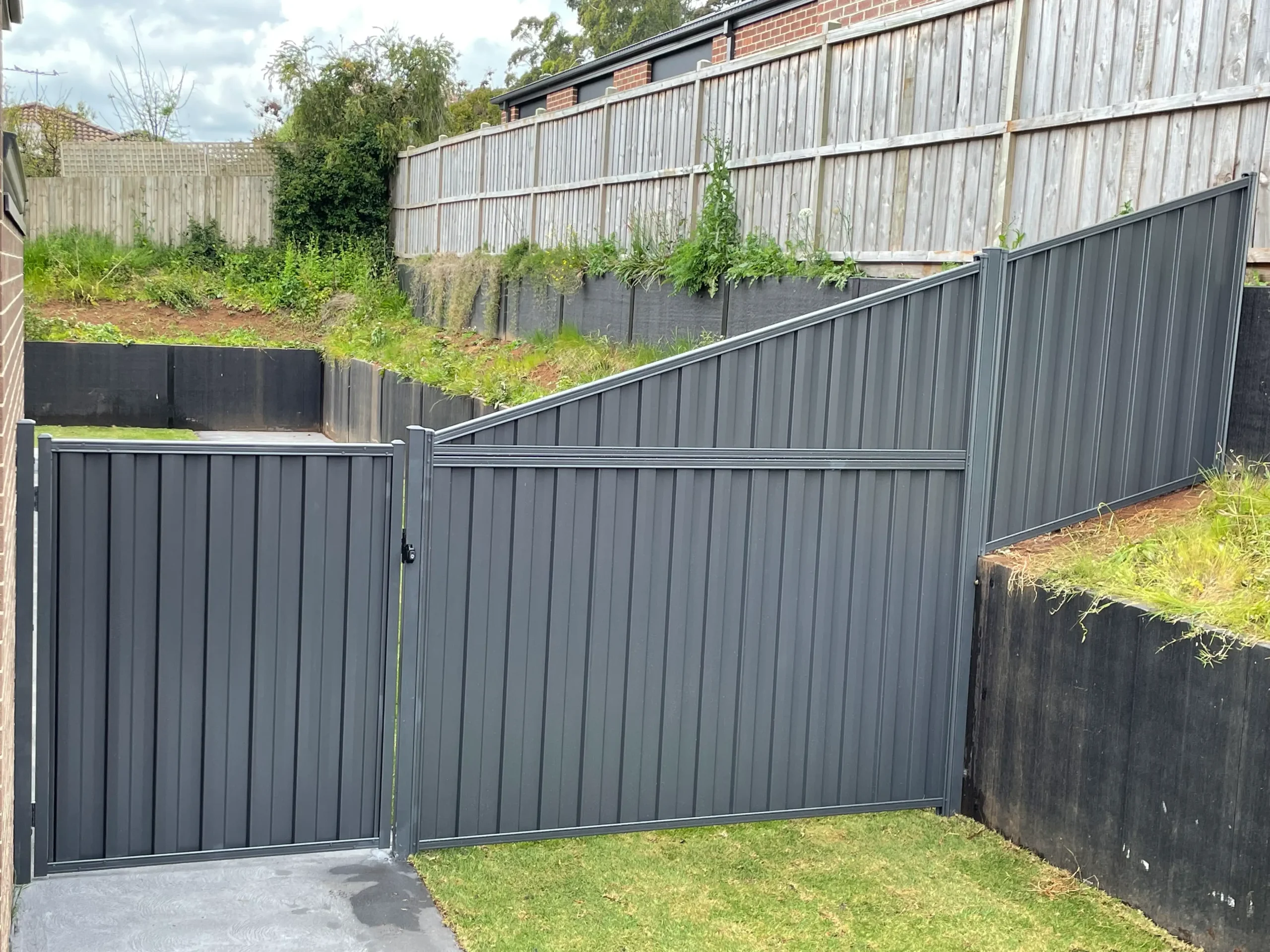
Why variability is harder to see than cost
Direct costs are easy to track. Invoices arrive. Labour hours are logged. Variability hides in the gaps between tasks.
It shows up as:
- longer days without obvious cause
- crews feeling worn down despite similar workloads
- jobs finishing later than expected without a clear reason
A different way of thinking about profit
Reducing variability does not require changing how fencing is installed. It changes how predictable the work becomes.
Jobs that run with fewer surprises tend to leave more margin intact, even when pricing stays the same.
Frequently Asked Questions
Variability refers to small differences across materials, components or supply that disrupt workflow. This can include minor dimensional differences, inconsistent profiles or hardware that behaves differently from job to job.
Even when pricing is accurate, variability slows crews down. Extra time spent adjusting, checking or compensating for inconsistencies is rarely recovered at the end of a job.
Yes. On larger or repeat runs, small inconsistencies compound. What might be a minor irritation on a short job can significantly affect time and margin when repeated across dozens of bays or panels.
Experienced crews usually can, but working around variability still takes time and mental effort. That lost rhythm affects pace and productivity regardless of experience.
No. It is about how predictable the work becomes. The installation process stays the same, but fewer surprises mean less friction and smoother sequencing on site.
Because it does not appear as a single line item. It shows up as small delays, longer days and reduced flow rather than a clear expense.



